


7 signs your 7 to 9-year-old is ready for greater learning independence
Updated: 5 days ago
Independent learning does not mean children never need help. It means they are learning how to think, make decisions, solve problems and take greater ownership of their learning.
Introduction
“I can do it myself!”
“No, I don’t need help”
“Let me try!”
How many times have you heard your child say something like this?
Perhaps it happens when you try to help with their homework, when they are figuring out how to build something, or when they have decided they have a better way of doing things. It can be tempting to see these moments simply as your child being stubborn. But sometimes, they are telling you something important: your child may be ready to take greater ownership of their learning.
What if becoming an independent learner doesn't mean your child needs you less, but that they are learning how to use your support differently?
When we hear the words independent learning, it is easy to imagine a child who can sit down, complete their work without help and figure everything out on their own. But that is not what independent learning is about.
Independent learning is not doing everything alone. It is learning how to take increasing ownership of the learning process. It means learning how to get started, ask thoughtful questions, make decisions, try different approaches, reflect on what worked and recognise when it is time to ask for help. Children still need adults to guide, encourage and support them. The difference is that, gradually, the child begins to take a more active role in their learning. So, how do you know when your eight-year-old is ready for more?
Here are seven signs you may already be seeing at home:
1. They ask “why?” and “how?” instead of simply asking for the answer
An independent learner is not always looking for someone to tell them what to do. They want to understand.
If your child regularly asks, “Why does that happen?”, “How did you get that answer?” or “What would happen if we tried this?”, their curiosity is becoming a powerful learning tool.
Instead of rushing to provide every answer, give them room to think, investigate and arrive at their own conclusions.
2. They can get started without being reminded
Does your child know what needs to be done and begin without you asking, “Have you done your homework?” several times?
Being able to get started independently is an important step towards learning independence. It shows that your child is beginning to recognise what needs to happen next rather than waiting for an adult to direct every step.
3. They have their own ideas about how to solve a problem
Perhaps your child wants to build something differently, organise their work another way or try an approach you would not have considered. Let them.
Children develop independence when they have opportunities to make decisions, test ideas and learn from the results. The goal is not always to get everything right the first time. Sometimes, it is to develop the confidence to think, try, adjust and try again.
4. They can explain what they are learning
Ask your child, “What are you working on?” or “What are you learning about?”If they can explain what they are doing, why they are doing it and what they have discovered, something important is happening. They are beginning to see themselves as an active participant in their education rather than simply someone completing work given to them.
5. They can make mistakes and keep going
Independent learning does not mean getting everything right. When your child can say, “That didn't work. I'll try something else,” they are beginning to take ownership of the learning process.
Pay attention to what happens when something becomes difficult. Do they immediately look to you for the answer, or do they try another strategy first? That small pause before asking for help can be a significant sign of growing independence.
6. They are beginning to make choices about their learning
Does your child have opinions about what they want to read, what they want to create or how they would like to demonstrate what they know?
Give those preferences room.
Meaningful choices can help children develop confidence in their ability to make decisions and take responsibility for them. Research highlighted by the American Psychological Association suggests that opportunities for autonomy and meaningful academic choices, alongside appropriate adult support, can help children become more responsible and autonomous learners.
This does not mean allowing children to decide everything. Independence grows within boundaries, guidance and encouragement.
7. They know when to ask for help
Perhaps the most important sign of learning independence is knowing that independence does not mean doing everything alone.
An eight-year-old who can say, “I've tried this, but I don't understand this part,” is demonstrating an important learning skill. They are beginning to recognise what they can manage independently and when they need support.
That is very different from simply giving up. These are meaningful skills such as initiative, persistence, planning, reflection, resource use and knowing when to seek support.

Conclusion
Independence does not happen overnight. It develops gradually as adults move from giving instructions and answers to asking questions, offering choices and allowing children to take responsibility for their decisions.
The aim is not to remove support, but to transfer responsibility over time. True learning independence is more than completing a worksheet alone. It is knowing how to begin, asking questions, trying another approach, recognising when help is needed and reflecting on one’s own learning.
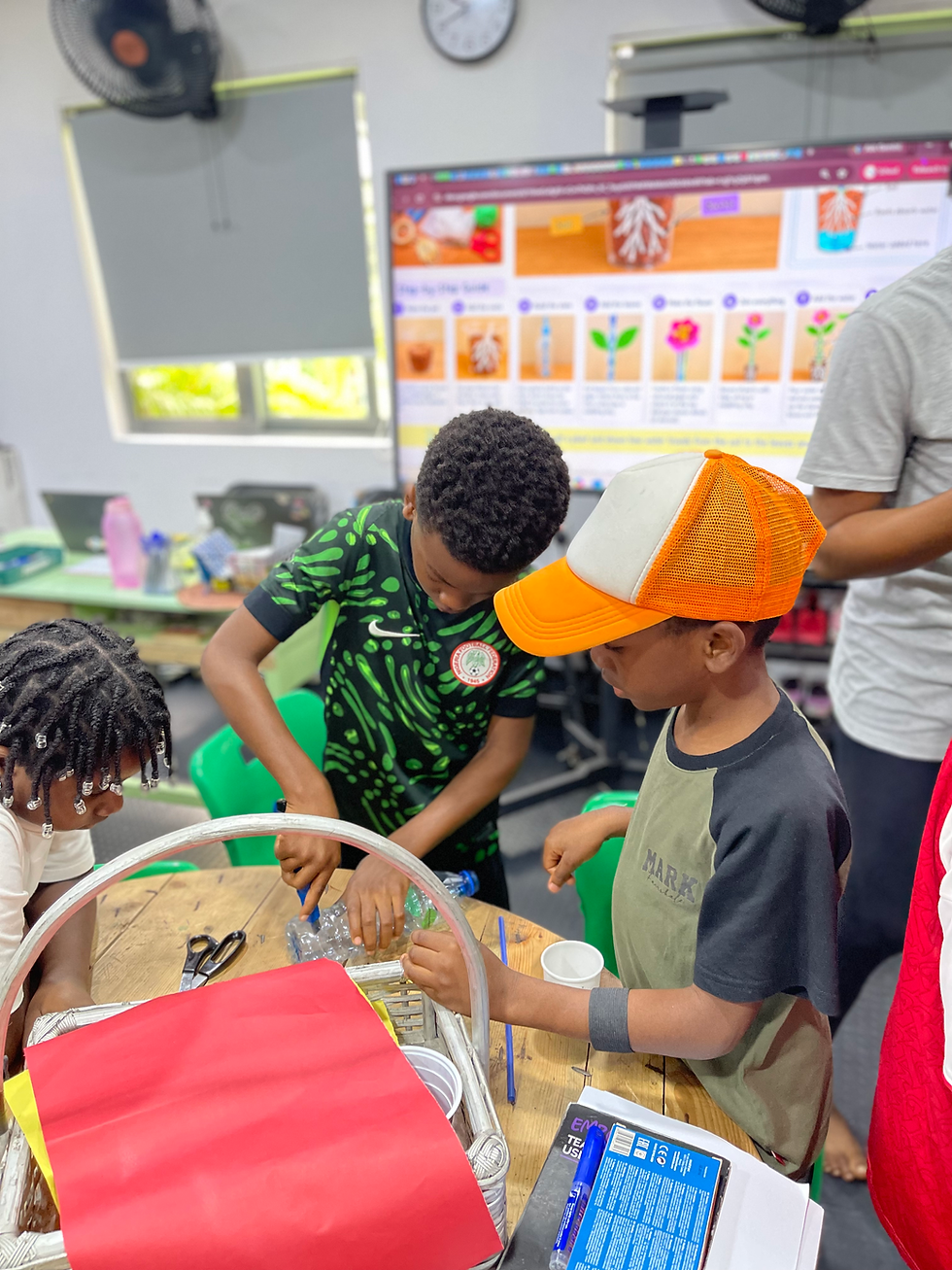
At KEY academy, our project-based approach to learning gives students opportunities to make decisions, ask questions, work through challenges and take responsibility for their learning.
Temitope Orogbemi, Lead Co-learner, Buds (ages 7 - 9 years) Learning Group
References
American Psychological Association. (2015, March 9). Developing responsible and autonomous learners: A key to motivating students. https://www.apa.org/education/k12/learners
Kaya, M., Seçkin, G. G., & Arslan, Z. (2026). The effects of self-directed learning-oriented interventions on student learning outcomes: A second-order meta-analysis. International Journal of Educational Research. https://doi.org/10.1016/j.ijer.2026.103071
OECD. (n.d.). The OECD Learning Compass 2030. https://www.oecd.org/en/data/tools/oecd-learning-compass-2030.html
Van Deur, P. (2017). Managing self-directed learning in primary school education: Emerging research and opportunities. IGI Global. https://doi.org/10.4018/978-1-5225-2613-1


Comments